


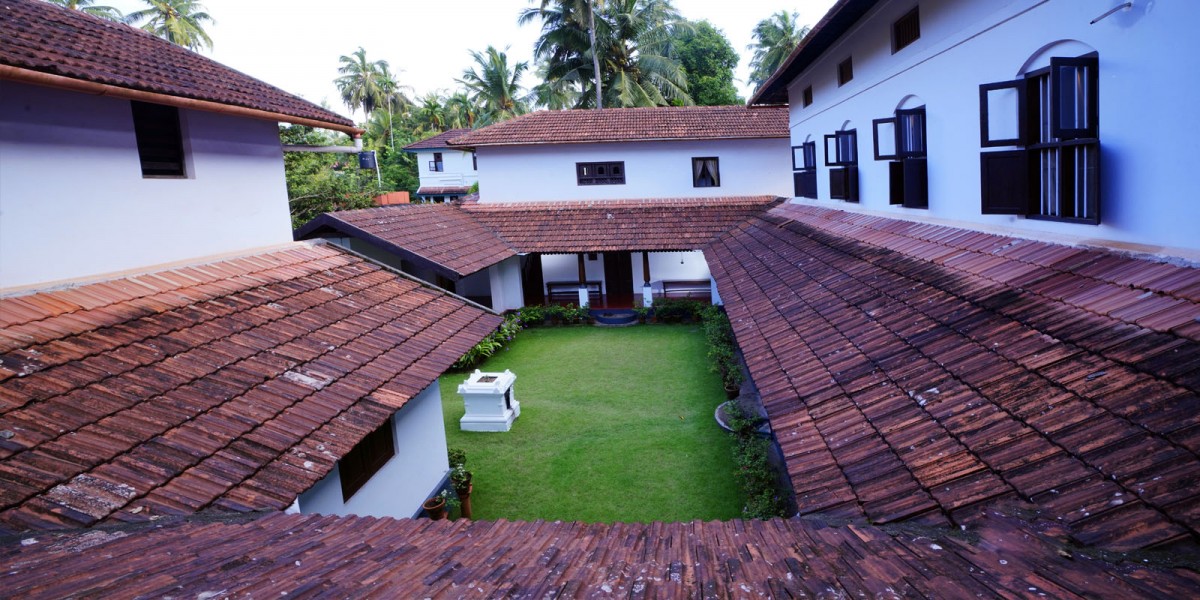
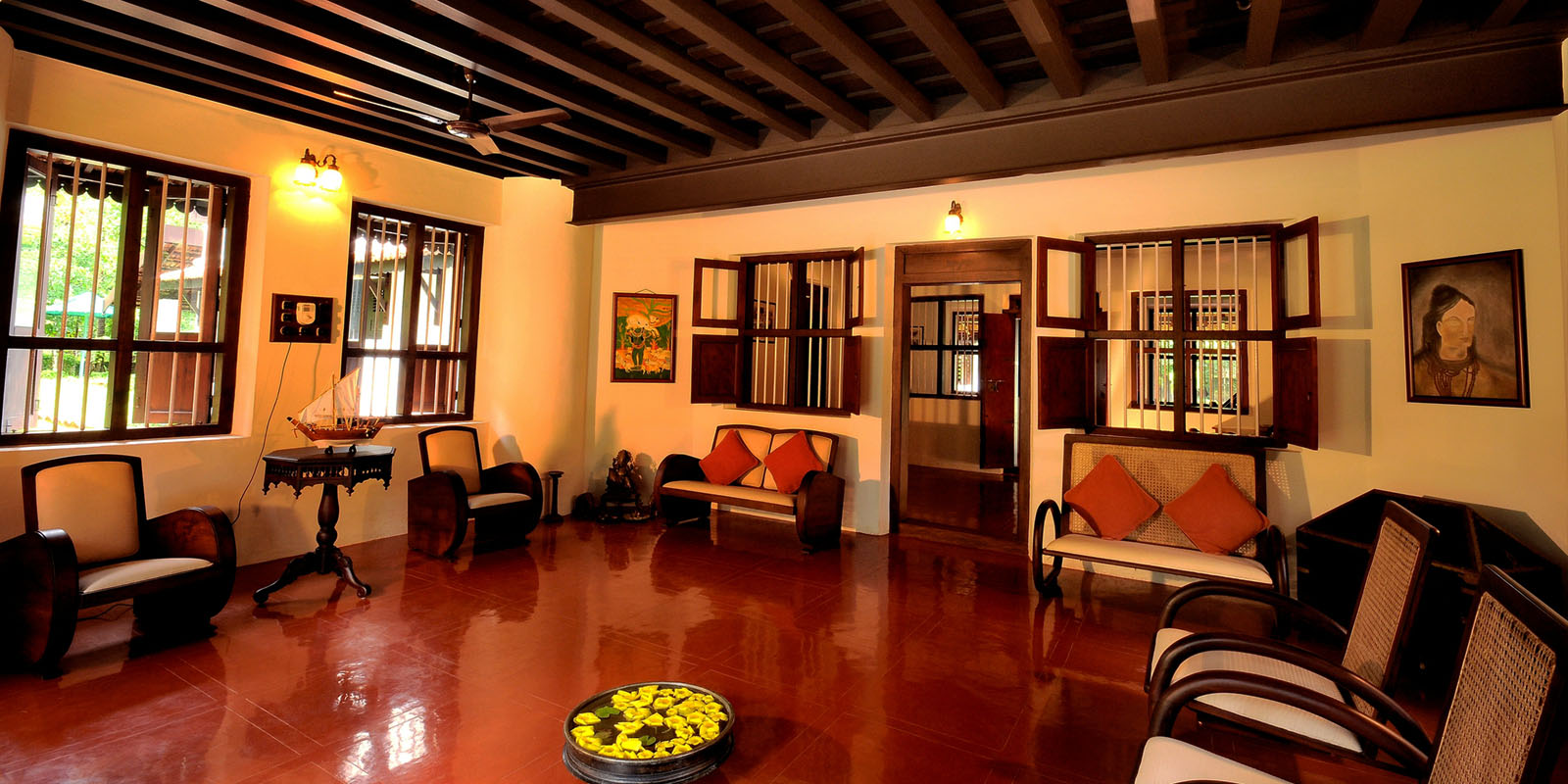
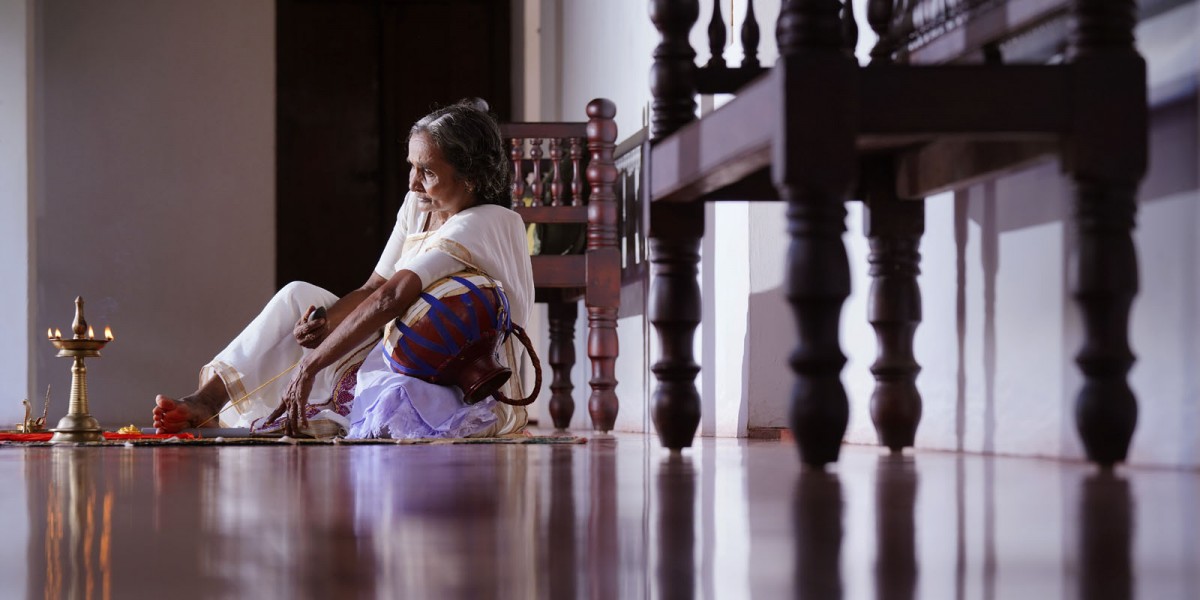


Explore Our Facilities

What our guests says


Frequently asked questions
The science of Ayurveda, was inspired and developed by the great masters and seers of ancient India. The origin of Ayurveda and Yoga have common roots and play a highly complementary role in spiritual evolution and the maintenance of physical wellbeing and vitality. Ayurveda is the oldest science of life, a system of diet, healing and health maintenance that is deeply spiritual in origin. Unlike western medicine ,Ayurveda is not confined to the healing of diseases in a superficial treatment of symptoms. Instead, it evaluates the complete body and mind of the individual.
Ayurveda is focused on treating the root cause of the illness by balancing the three doshas (bio- energy forces) of the body back to a natural balance of optimum wellbeing. True balance is only possible through a holistic approach where physical, mental, emotional and environmental factors is taken into account.
Ayurveda is a way of life that has a history of 5000 years. Western medicine is symptomatic whereas Ayurveda looks at the root cause of the condition. In Ayurveda, holistic medicine is a wholesome approach for cure.
An allopathic approach for a condition is to check the body symptoms and prescribe medicine whereas in Ayurveda a detailed history, on the root causes of the condition is analyzed and focused to eliminate.
According to Ayurveda the Roga (disease) and the Rogi( patient) is looked at individually and a tailor made treatment plan is formed. The dosha( bio – energy forces) of the patient is identified and then the treatment is prescribed. A Vata type of headache is addressed differently than a Kapha prone one. There is no one method/ medicine that fits all in Ayurveda. Kerala, the land of Ayurveda offers several ayurvedapackages ,rejuvenative and curative.
Monsoon is recognized as the best time for receiving Ayurveda treatment packages in Kerala. Rejuvenation and detoxification treatments are mainly recommended in the time of monsoon. Monsoon – the season when the air is fragrant with the scent of the rain; the grass is greenest with each blade glistening in the sun; the flowers brightest and full of smiles; the sky thick and dark with the clouds, with an occasional lightning illuminating the landscape.Monsoon is probably one of the most romantic seasons in Kerala. You have days of down pour followed by days of brilliant sunshine.
The key purpose of Ayurveda is to bring balance in one`s body, mind and spirit. The type of treatment, procedures, medicines, diet etc can only be decided by analyzing ones doshas. The doctor shall test and analyze the nature of ones condition to determine the method and procedure of cure and suggest an Ayurveda treatment package for you. Treatment duration starts from 7 days and above.
The type ones dosha, lifestyle, age, mental conditions, physical factors etc are the key factors in deciding ones Ayurveda treatment.
A healthy person, as defined in SushrutaSamhita, one of the primary works on Ayurveda, is “he whose doshas are in balance, appetite is good, all tissues of the body and all natural urges are functioning properly, and whose mind, body and spirit are cheerful…”
As per the Tridosha, or the Theory of Bio-energies,the three doshas, or bio-energies found in our body are Vata,Pitta and Kapha.Vata pertains to air and ether elements. This energy is generally seen as the force, which directs nerve impulses, circulation, respiration, and elimination.Kapha pertains to water and earth elements. Kapha is responsible for growth and protection. The mucosal lining of the stomach and the cerebral-spinal fluid that protects the brain and spinal column are examples of kapha. Pitta pertains to fire and water elements. This dosha governs metabolism, e.g., the transformation of foods into nutrients. Pitta is also responsible for metabolism in the organ and tissue systems.
Kerala Ayurvedic treatment is broadly of two types, Panchakarmam and Shamanam. Shamanam is a treatment that purges the disease and its symptoms through Kshut (fasting), Tritnigraham (restriction of fluids), Vyayamam (exercise), Atapaseva (sun rays), MarutaSeva (breeze of air), along with herbal medicines.If toxins in the body accumulate, then a cleansing process known as Panchakarma is recommended to purge these unwanted toxins. This five fold purification therapy is a classical form of treatment in Ayurveda. Ayurveda treatment packages in Kerala offers very distinct treatment modalities like njavarakizhy and pizhichil ,which are practiced only in Kerala.
Ayurveda has a distinct food culture which stresses the unity among the three principle humours of the body – Vata, Pitta and Kapha. The humours, responsible for all the physical and mental functions are derived from the elements of nature – ether, air, fire, water and earth. The food in the form of various rasa/ tastes is also made from these five elements. A balance has to be struck between the five elements of the body and the five elements of the food we eat. During an Ayurveda treatment package, the diet is formed in such a way that your body is thoroughly analyzed and the diet is formed to balance the elements of nature in your body.
Most foods are neutral in energy and have mild properties. Condiments and spices have more pronounced effects, like the healing nature of ginger and garlic. For this reason it is only when consumed regularly that the capacity of most of foods to aggravate the biological humours comes out. We do not have to avoid all the foods to aggravate our constitution, but we do have to be careful of taking many of them on a regular basis.
Even though Ayurvedic medicines are organic and herbal in nature, one should be very careful in avoiding self medication without the consent of the doctor. Detailed diagonosis of ones ‘prakrithi’ is required to start any procedure/ medication in Ayurveda.
Diet also plays a very important role in an Ayurveda treatment where the food is categorized on their physical qualities and their effects on the body. This helps in determining which ingredient is suitable for different doshas.
Awareness and mindfulness are integral part of an Ayurveda treatment. Ayurveda has a holistic approach of healing where one should surrender himself physically and mentally to any restrictions stated by the doctor.
The other common factors to consider are proper sleep, limited or preferably no use of electronic devices, having a well planned dinnacharya (daily routine), total restriction on consumption alcohol and smoking, limited exposure to direct sunlight etc.